
JUIN 2026

La personnalité de la filière
Jérôme Gallois, producteur et défenseur du chanvre industriel français

Élu président de la
En tant que président de la FNPC, Jérôme Gallois souhaite redéfinir les missions de la structure au service des producteurs, notamment sur le plan technique et agronomique, et les moyens pour y parvenir. « Cela fait notamment suite au retrait de la
Les débouchés
Construction
Construction en chanvre : six projets récompensés
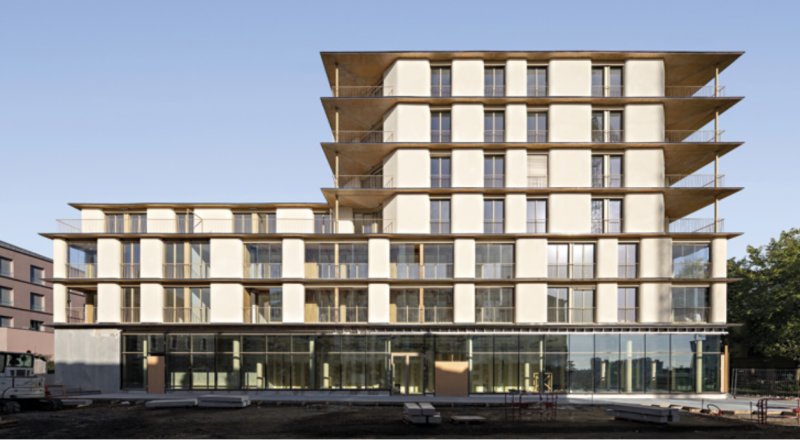
Organisé par Construire en Chanvre et soutenu par InterChanvre, le Prix National de la Construction en Chanvre 2026 (PNCC) a récompensé le 26 février dernier six projets exemplaires intégrant le chanvre comme matériau de construction.
● Le Prix Logement collectif distingue la transformation de l'ancienne caserne Mellinet, située au cœur de la ville de Nantes (44), en un bâtiment R+6 (photo ci-dessus), premier bâtiment de cette hauteur en structure bois et béton de chanvre préfabriqué. Il a été réalisé par les architectes de l'Atelier Ramdam et de l'agence Palast.
● Le Prix Maison individuelle récompense la rénovation d'une maison datant de 1958 à Lorient (56) avec l'Académie des Biosourcés comme architectes du projet. Le chanvre sous toutes ses formes a été mobilisé : béton de chanvre (couples validés et nouvelles Règles Professionnelles 2024), terre-chanvre (application en doublage sur les murs en parpaings existants) et laine de chanvre (isolation acoustique et thermique entre les cloisons).
● Le Prix Bâtiment tertiaire a été attribué à l'extension du siège social de la PME Le Cèdre à Paray-le-Monial (71) réalisée par Julie Herrgott, architecte. Le chanvre est présent dans l'ensemble des murs de la façade en ossature bois, via un procédé d'isolation en béton de chanvre. Les ossatures des murs ont été taillées par le charpentier, puis envoyées à l'atelier de Wall'Up Prefa pour assemblage, pose du panneau de contreventement Fermacell, puis coulage du béton de chanvre, et enfin mise en place du gobetis chaux.
● Le Prix ERP (Etablissement Recevant du Public) met à l'honneur la rénovation et l'extension de l'Eco-domaine de la Fontaine aux Bretons (restaurant et hôtel 4 étoiles) à Pornic (44) par le cabinet d'architectes Can-IA. L'enveloppe de l'extension hôtelière a été réalisée avec des façades à ossature bois isolées en béton de chanvre projeté et doublées par l'intérieur avec de la laine de chanvre/coton/lin.
● Le Prix Logements sociaux valorise la réhabilitation de huit logements sociaux et la surélévation du bâtiment de trois niveaux au cœur du Marais (Paris) par Nicolas Gaudard de Mir Architectes. La surélévation est réalisée en ossature bois isolée par 35 cm de béton de chanvre projeté par l'extérieur (sur panneau de Fermacell). Le bâtiment existant est isolé par l'intérieur grâce à 15 cm de béton de chanvre projeté sur une ossature bois.
● Un Prix spécial hors catégorie couronne un projet de 270 m² sur 7 niveaux représentant deux maisons (l'une au-dessus de l'autre) à Montreuil (93) sur une emprise bâtie restée proche de la maison originale, de Architecturestudio. Le béton de chanvre projeté et banché est à l'honneur, en 24 cm d'épaisseur en parties courantes, en remplissage de façades à ossature bois. En intérieur, l'enduit perspirant en chaux-chanvre donne à voir la chènevotte.
Parution d'un Collector Chanvre pour la Maison écologique
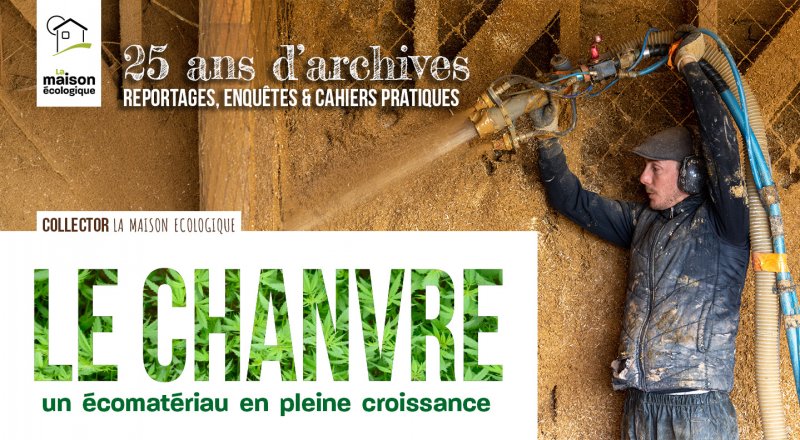
La Maison écologique sortira le 27 juin un Collector Chanvre (en vente en kiosque jusqu'au 30 septembre) : 192 pages des meilleurs articles que le magazine a publiés sur cette thématique depuis 25 ans. On y trouvera de nombreux retours d'expériences détaillés (7 rénovations et 11 bâtiments neufs avec fiche technique et témoignages des propriétaires, des artisans, architectes, bureaux d'études...), des enquêtes et tableaux recensant tous les produits chanvre-bâtiment disponibles sur le marché français, des cahiers pratiques détaillant les étapes de mise en œuvre de 9 techniques d'isolation ou de décoration à base de chanvre. Objectif : faire (re)découvrir au plus grand nombre ce matériau à très faible impact environnemental et aux capacités souvent insoupçonnées. Nul doute que ce Collector intéressera autant les professionnels du bâtiment que les maîtres d'ouvrages porteurs de projets de construction ou de rénovation.
Hommage à Jean Luc Huger, formateur pour Construire en Chanvre
Construire en Chanvre nous fait part du décès de Jean Luc Huger. « Pionnier du lancement des mortiers et des bétons de chanvre et adhérent de Maisons Paysannes de France et de Construire en Chanvre dont il a été l'un des premiers formateurs, Jean Luc Huger a consacré toute sa carrière d'artisan à défendre le patrimoine bâti et l'artisanat, souligne Gérard Lenain, membre fondateur de Construire en Chanvre et ancien responsable de la formation. Reconnu expert dans son métier de bâtisseur et de restaurateur en maîtrisant les techniques adaptées à la sauvegarde des constructions anciennes, il prenait grand soin de ses ouvrages, jusqu'à l'excellence, avec toute la passion qui le caractérisait, dans son cœur et dans ses tripes. Soucieux de transmettre ses connaissances, de partager ses compétences, il était un ambassadeur exemplaire, au caractère généreux et dévoué, au service des autres, discret et modeste. »
Plasturgie
JEC World 2026 : le chanvre s'expose dans les matériaux composites
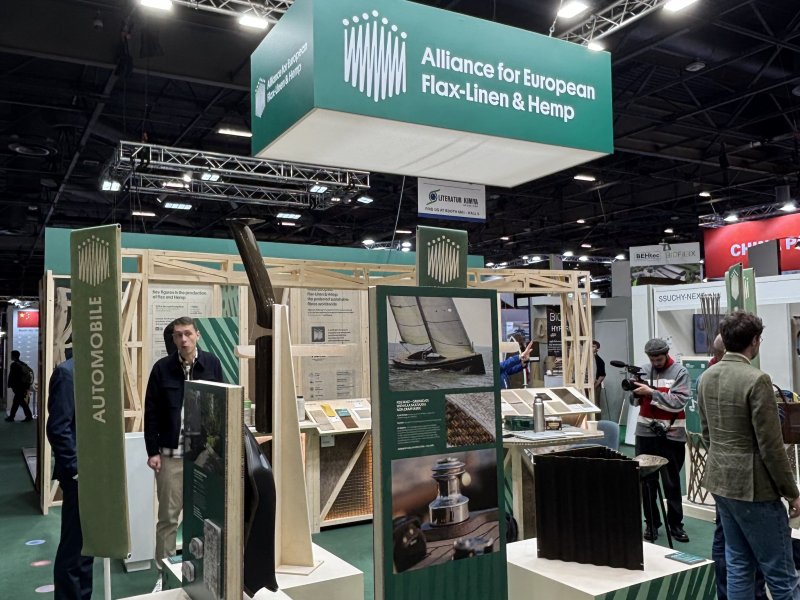
Le JEC World 2026, salon professionnel international spécialisé dans les matériaux composites et leurs applications s'est tenu du 2 au 4 mars dernier à Paris-Villepinte, réunissant 1 400 exposants provenant de 52 pays. Il a confirmé la forte dynamique autour des matériaux composites. Le village des bio-matériaux, organisé avec l'Alliance Européenne du Lin et du Chanvre, a mis en avant plus de 20 acteurs du secteur, avec un intérêt croissant pour le chanvre, présenté comme complémentaire au lin tant sur le plan agronomique qu'industriel. Les échanges ont montré une forte dimension internationale et une accélération des innovations autour de trois axes majeurs : recyclage et réutilisation des matériaux, développement des fibres biosourcées et innovations de rupture (nouveaux matériaux, impression 3D, nouveaux procédés de fabrication). Plusieurs applications concrètes intégrant du chanvre ont été présentées : mobilier, équipements sportifs, pièces automobiles, objets design. Enfin, des acteurs comme EcoTechnilin se distinguent par une forte stratégie de partenariats et une présence dans de nombreux projets innovants du salon, y compris en dehors du village des bio-matériaux.
Géotextile
Le Géo Drop dans les mains des futurs designers et architectes
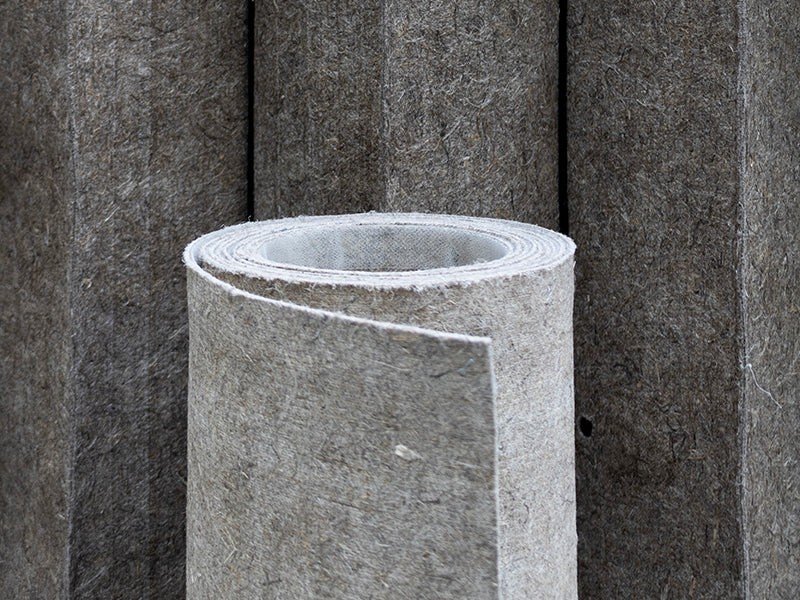
L'avenir de la filière chanvre se joue également dans les écoles de design et d'architecture intérieure. La collaboration d'InterChanvre avec Procédés Chenel International pour le concours « School Paper » illustre cette volonté d'acculturer la jeunesse aux nombreuses utilisations du chanvre. Une vingtaine d'étudiants de neuf écoles de design planchent actuellement sur le Géo Drop, feutre 100 % chanvre aux propriétés techniques exceptionnelles (classement non-feu M1, bilan carbone exemplaire...) né de la collaboration de Géochanvre et de Procédé Chenel. L'objectif est clair : concevoir une création utile, surprenante et jolie afin de démystifier le matériau biosourcé pour que ces futurs prescripteurs l'intègrent naturellement dans leurs réflexions de demain. Les résultats de cette journée marathon du 13 juin (7h pour réaliser les créations) seront dévoilés le jour même, lors de la remise des prix de l'innovation, aux côtés des membres du jury : Procédé Chenel, InterChanvre, l'ordre des architectes, le Mobilier National… A noter dans vos agendas pour découvrir ces créations originales !
Papeterie
Une page (en chanvre) s'écrit : échange avec la papeterie Hahnemühle
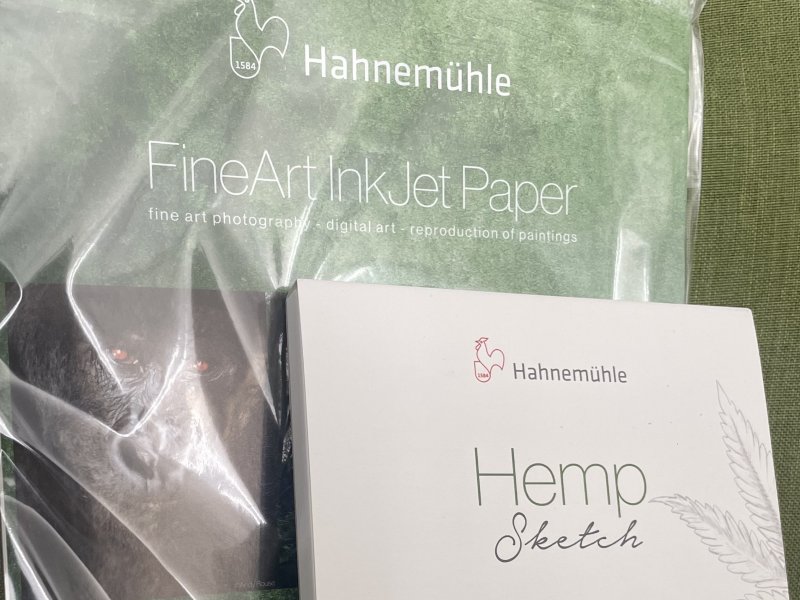
Le 9 avril dernier, InterChanvre a rencontré la direction parisienne de Hahnemühle, industriel allemand de la papeterie haute qualité qui met en lumière les performances de la fibre de chanvre française dans la création de supports pour les beaux-arts et la photographie artistique. En intégrant 60 % de chanvre dans ses produits, le papetier mise sur une ressource capable de se régénérer bien plus vite que la forêt traditionnelle. Le chanvre, avec sa croissance rapide de plusieurs centimètres par jour, s'impose comme une réponse concrète aux besoins de l'édition durable, tout en offrant des qualités de conservation et de rendu pigmentaire qui en font le best-seller de la marque. Cette première rencontre ouvre une perspective de collaboration pour les prochains évènements de la filière chanvre, comme par exemple des tirages photos sur du papier de chanvre pour le prochain congrès All Hemp.
Alimentation
Bientôt une baguette aux graines de chanvre
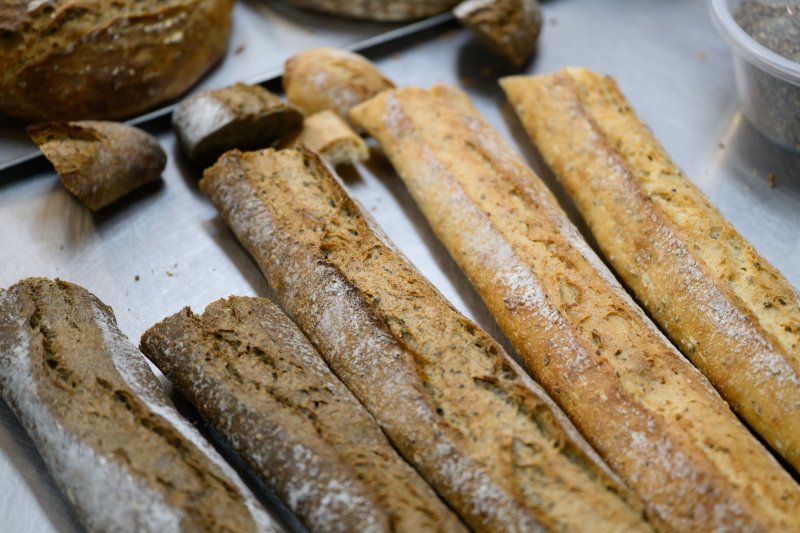
Les chanvrières se mobilisent à l'initiative de Philippe Guichard, président de l'Union des Transformateurs de Chanvre (UTC), pour développer une baguette aux graines de chanvre. Un travail est en cours en partenariat avec des boulangers pour proposer un projet viable, à la fois sur le plan économique et opérationnel : une baguette tradition aux graines de chanvre torréfiées 100 % bio de 170 g, au prix de 1,80 €. Il reste à structurer l'approvisionnement des artisans boulangers en graines de chanvre et à définir la communication collective notamment pour expliquer et valoriser l'usage du chanvre auprès du grand public et des boulangeries. À la fois durable, nutritif et créatif, le chanvre permet aux artisans boulangers de se démarquer, de répondre aux attentes des consommateurs et de renouer avec une plante ancestrale résolument tournée vers l'avenir.
Sur le terrain
Vers une feuille de route agronomique commune pour le chanvre
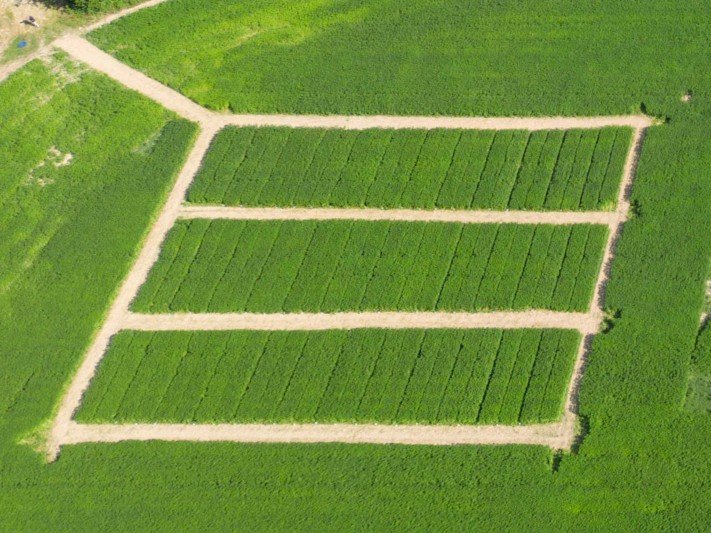
La filière chanvre souhaite aujourd'hui se remobiliser sur les sujets agronomiques afin de répondre de manière plus cohérente et efficace aux problématiques rencontrées par les producteurs et les industriels. Pour cela, une meilleure coordination technique des différents acteurs impliqués sur ces enjeux est nécessaire pour faciliter le partage d'expériences, la mise en commun des travaux et la diffusion des connaissances. Un Groupe de travail agronomique a été constitué avec les responsables techniques des chanvrières, les producteurs représentés par Jérôme Gallois, président de la FNPC, et le semencier Hemp-it pour identifier et hiérarchiser les enjeux agronomiques stratégiques de la filière française et renforcer les synergies entre les différents acteurs. Cette organisation collective doit permettre de consolider l'avance française dans un contexte international où les investissements et les programmes de recherche sur le chanvre se développent rapidement. À terme, l'objectif est d'élaborer une feuille de route agronomique commune à tous les acteurs afin de mieux orienter les actions de recherche, d'expérimentation et d'accompagnement de la filière pour améliorer la marge des producteurs.
En bref
Deux vidéos pour réussir vos semis de chanvre :
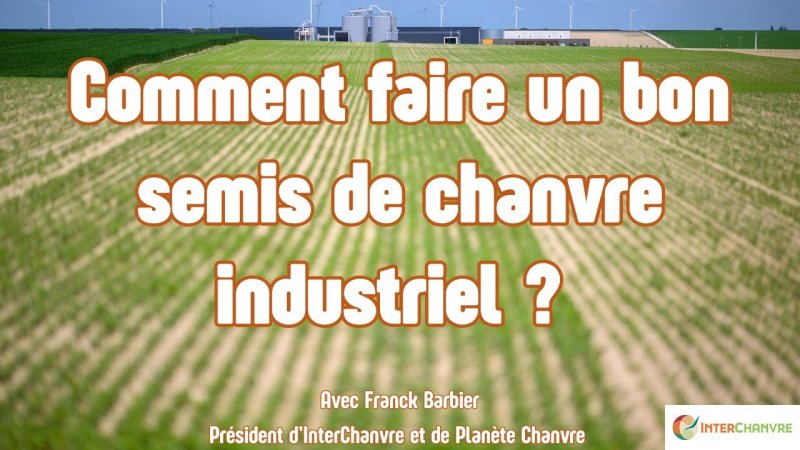
En moins de 5 minutes, Franck Barbier, agriculteur et président d'InterChanvre, vous explique l'essentiel pour réussir un semis de chanvre industriel : météo idéale, profondeur et densité de semis, type de semoir à utiliser…
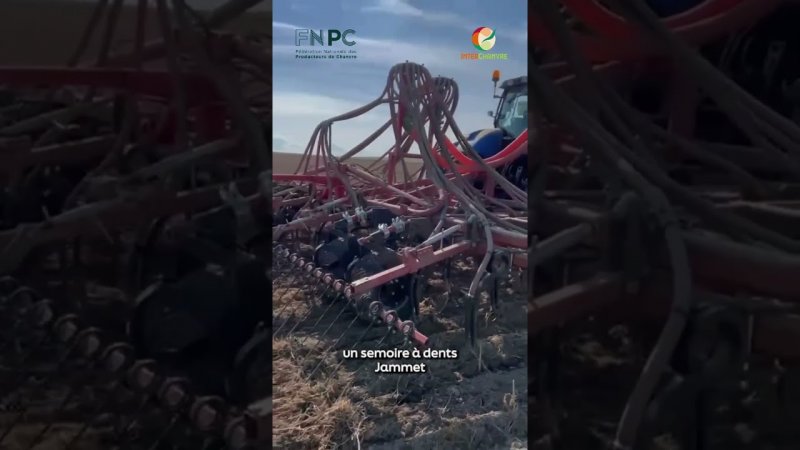
Jérôme Gallois, agriculteur, vice-président d'InterChanvre et président de la FNPC, vous dévoile ses outils de semis.
Économie
Fond de compensation agricole : un levier intéressant pour le chanvre

Depuis 2014, les porteurs de projet d'aménagement à impacts négatifs sur le territoire (consommation importante de foncier agricole, impact sur l'économie agricole…) doivent notamment mettre en place des mesures compensatoires. Il s'agit principalement d'une compensation économique et collective pour soutenir durablement l'activité agricole locale, souvent à travers des financements (1 à 2 €/m²) via le mécanisme de la Compensation Collective Agricole.
Une Etude Préalable Agricole, obligatoire, permet d'analyser les effets du projet sur l'économie agricole (production, emplois, filières) et de définir les mesures de compensation adaptées. Dans la pratique, ces compensations peuvent financer des initiatives locales comme des projets agricoles innovants ou collectifs via un financement direct par l'aménageur ou par l'intermédiaire de fonds dédiés (souvent gérés avec des organismes publics comme la Caisse des Dépôts). Exemple de projet ayant bénéficié de ce fonds : Roche aux Fées Communauté (Ille-et-Vilaine) a obtenu 150 000 € pour soutenir la création d'une filière chanvre sur son territoire autour d'une chanvrière (organisation collective des producteurs, achat de matériel de récolte, mise en place d'outils de transformation…). Ce dispositif constitue également un levier intéressant notamment pour le développement de filières à bas niveau d'intrants (comme le chanvre).
Réglementation
La REP bâtiment en pleine réforme
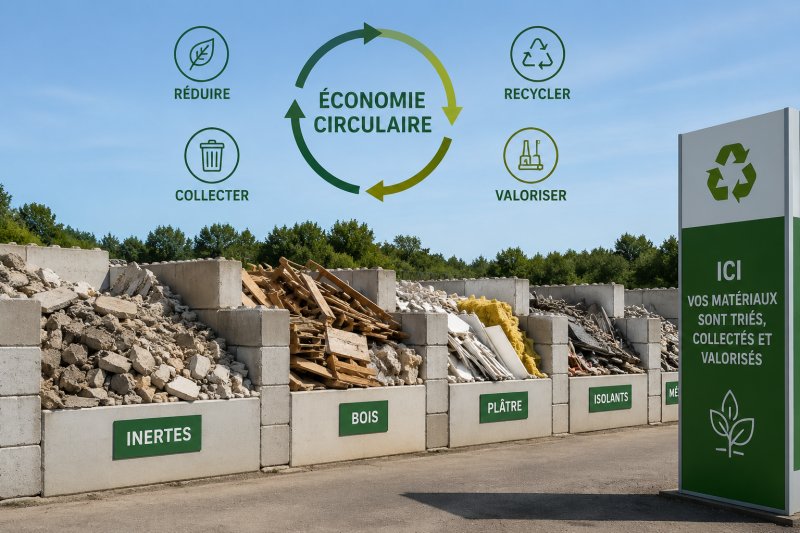
Depuis le 1er janvier 2023, la REP (Responsabilité Élargie des Producteurs) PMCB (Produits et Matériaux de Construction du Bâtiment) soutient l'obligation pour les metteurs sur le marché de produits et matériaux de construction du bâtiment (dont l'usage génère des déchets) d'en assurer leur fin de vie. Pour cela, ils doivent adhérer à un éco-organisme, payer une éco-contribution et assurer la collecte et la valorisation des déchets issus de ces matériaux. Le projet de refonte prévu par la loi AGEC (Anti-Gaspillage pour une Economie Circulaire) vise à faire évoluer plusieurs paramètres structurants du dispositif, avec une entrée en vigueur envisagée au 1er septembre 2026. Dans le même temps, plusieurs questions écrites ont été déposées au Parlement sur les conséquences financières pour les collectivités de cette réforme, la gouvernance de la filière, la transparence des éco-contributions et les dysfonctionnements persistants. Enfin, la proposition de loi sénatoriale visant au rééquilibrage de la filière PMCB a été retirée de l'ordre du jour avant examen dans le cadre de la niche parlementaire MoDem du 26 mars dernier. Dans ce contexte, InterChanvre et Construire en Chanvre sont pleinement mobilisés et échangent régulièrement, notamment avec le Ministère de la Transition écologique, afin de défendre et promouvoir les positions de la filière, notamment une éco-modulation (ajustement de l'éco-contribution selon la performance environnementale des produits à base de chanvre) ainsi qu'une prise en compte de la performance environnementale de ces matériaux.
En bref
● L'accord interprofessionnel a été validé par le Ministère de l'Agriculture et le Ministère des Finances pour trois ans (2026 à 2029). L'arrêté est paru au Journal Officiel du 2 juin 2026.
Au-delà des frontières
PAC et OCM : la filière chanvre française vigilante sur les débats européens
En juillet 2025, la Commission européenne a présenté sa proposition de règlement Pac post-2027 et sa proposition de révision ciblée du règlement concernant les organisations communes de marché (OCM). Plusieurs points concernant la filière chanvre sont en discussion. La
Farm Bill 2026 : des restrictions autour du chanvre
Le Farm Bill 2018 avait légalisé le chanvre à condition qu'il contienne moins de 0,3 % de
Agenda
À venir
● Du 10 au 12 juin : Congrès EIHA à Poznan en Pologne. Jérôme Gallois, président de la FNPC, et Franck Barbier, président d'InterChanvre, y interviendront pour porter la voix de la filière chanvre industriel française à l'échelle internationale.
● 13 juin : Remise des prix de l'innovation du Concours School Paper de Procédé Chenel International en partenariat avec InterChanvre chez Procédés Chenel à Vanves (92), un moment fort pour célébrer l'audace créative au service du chanvre.
● 17 et 18 juin : Lin et Chanvre Bio vous donne rendez-vous pour répondre à toutes vos questions sur le chanvre textile devant les parcelles de chanvre sur l’Espace Technique du salon Lin’Ovation, véritable plateforme d’expérimentation à ciel ouvert. Lieu : Ailly-le-Haut-Clocher (80). Inscription
● 18 juin : Journée du Biosourcé et du Géosourcé à Amiens (80) organisée par FRD-Codem. Au programme : retours d'expériences et échanges sur les solutions innovantes. Un rendez-vous privilégié pour les professionnels souhaitant concilier performance thermique et enjeux environnementaux au cœur des territoires.
● Du 22 au 24 septembre : 86ème Congrès HLM à Bordeaux (parc des Expositions). Construire en Chanvre y exposera pour la 3ème année.
Ça s'est passé
● 2 avril 2026 : Nathalie Fichaux, directrice d'InterChanvre, est intervenue dans le cadre de la table ronde « Cap sur l'économie régénérative au-delà de la RSE » organisée par la promotion 2026 du Master Organisations et Transitions vers un Développement Durable (OTDD) du CNAM à Paris.
● Du 25 au 27 février : Au Forum International Bois Construction, InterChanvre et Construire en Chanvre ont exposé la maturité technique des industriels de la filière, de l'isolation thermique classique à la préfabrication. Les six lauréats du Prix National de la Construction Chanvre y ont également été récompensés.
● Du 21 février au 1er mars : Présente sur le stand de Terres OléoPro, la filière a exposé au SIA tous les débouchés, du textile à la construction, auprès de non-initiés mais aussi d'agriculteurs en quête de diversification. Franck Barbier, président, et Nathalie Fichaux, directrice d'InterChanvre, ont rencontré des décideurs européens et nationaux et des représentants de FranceAgriMer et des Chambres d'Agriculture pour mettre en avant les dossiers prioritaires de la filière (PSE, future Pac…).